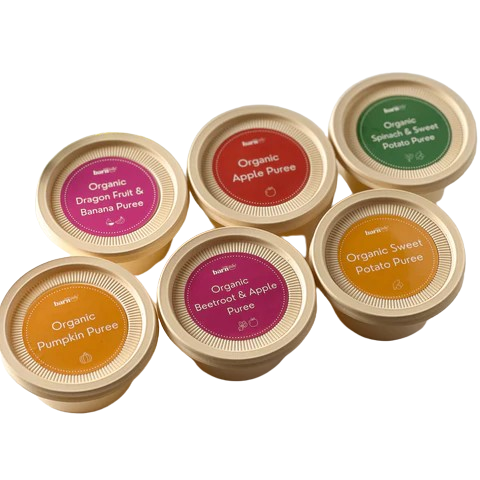
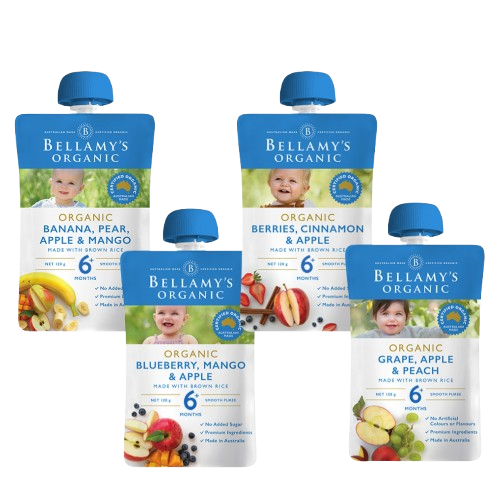
These are the baby puree brands nominated by real Singapore parents at the theAsianparent Awards 2026 — the parenting community's own shortlist, verified by our Singapore editors.
Baby puree is a convenient first food for little ones around 6 months old, offering soft, easily digestible nutrition when your child is ready for solids. Whether home-made or shop-bought, purees bridge the gap between milk feeds and finger foods, giving your baby exposure to new flavours and textures at their own pace.
When choosing a baby puree, consider your family's lifestyle: do you have time to batch-cook, or do you need grab-and-go options? Check that products meet Singapore's food safety standards and carry relevant certifications—most imported brands will display these clearly. Think about your budget and how often you'll need purees; some families use them daily while others supplement occasional meals. Taste variety matters too; babies benefit from exposure to a range of fruits, vegetables, and grains early on. Finally, consider where you shop regularly—supermarkets, online grocers, and specialist baby stores in Singapore all stock different ranges, so knowing your preferred retailers helps.
One honest tip: don't feel pressured to buy only organic or premium brands if they stretch your budget. A standard puree from a reputable manufacturer is nutritionally sound; what matters most is introducing your baby to varied foods consistently and watching for any reactions. Homemade purees are equally valid if you enjoy preparing them, though shop-bought options offer convenience and portion control that many busy parents find invaluable.
The 2026 nominees
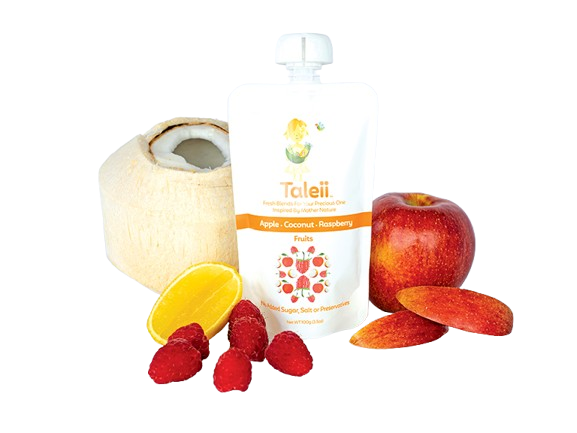
Taleii
A Singapore-based brand focusing on cold-pressed, nutrient-dense purees with minimal ingredients and no added sugars. Often emphasises freshness and local sourcing where possible, appealing to parents wanting to support local whilst avoiding ultra-processing. Typically positioned at premium price range with smaller, specialised stockist networks.
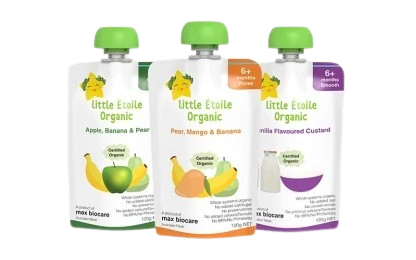
A French-inspired brand offering organic purees and baby food products distributed in Singapore. Emphasises organic certification and careful ingredient selection, with a range spanning fruits, vegetables, and combination blends. Suits parents looking for European quality standards and organic assurance at mid-to-premium price points.
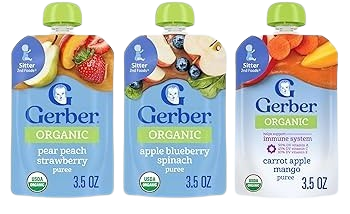
An established international brand offering a wide range of purees and baby foods at various price points, widely stocked in Singapore's supermarkets and pharmacies. Known for accessibility, variety, and consistent quality standards; suits budget-conscious families or those wanting straightforward, reliable options without premium positioning.
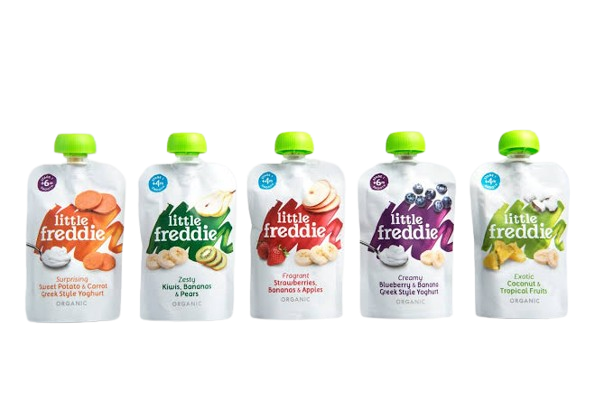
A British-inspired organic brand available in Singapore, offering purees and finger foods made from organic ingredients. Positioned mid-to-premium, it appeals to parents seeking organic certification with good flavour variety and convenient packaging. Often found in specialist baby shops and select supermarket chains across the island.
A Singapore-based brand offering cold-pressed purees made from locally and regionally sourced ingredients. Known for minimal processing and no added sugars or preservatives, Little Barn appeals to parents seeking fresh, clean-label options. Their focus on transparency and ingredient traceability makes them popular with health-conscious families willing to invest in premium pricing.
An Australian brand of certified-organic baby food and toddler snacks. Parents choose it for simple, organically grown ingredients across purees, cereals and snacks.
Some links are affiliate links: theAsianparent may earn a small commission if you buy through them, at no extra cost to you. Nominees and voting results are never influenced by commercial partnerships.
Parents also ask
When should I start giving my baby puree?
Most babies are ready for purees around 6 months old, though some show signs of readiness earlier. Look for cues like sitting up with minimal support and loss of the tongue-thrust reflex. Always consult your child's paediatrician before introducing solids.
Are organic baby purees significantly better than conventional ones?
Both organic and conventional purees meeting food safety standards are nutritionally adequate for babies. Organic options avoid synthetic pesticides, but conventional produce is still safely regulated. Your choice often comes down to personal values and budget rather than safety differences.
How do I know if my baby is allergic to a puree?
Watch for signs like rashes, vomiting, diarrhoea, or swelling within hours of feeding. Introduce one new puree at a time, waiting 3–5 days before adding another, so you can identify any triggers. Seek medical advice if you suspect an allergy.